
Deadlines Matter. Especially When Federal Money is on the Table.
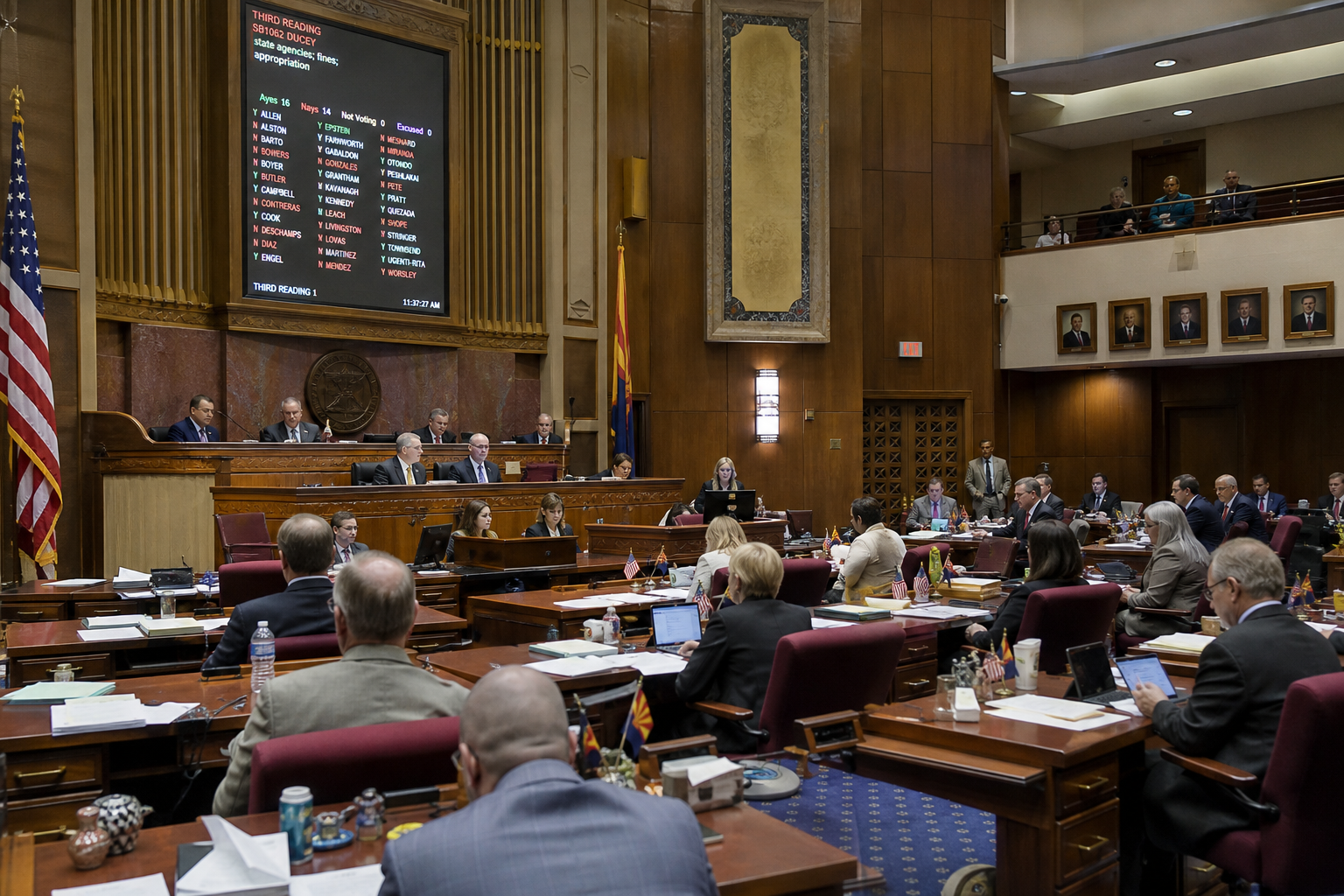
In October, the Arizona Legislature's Joint Committee on Audit began reviewing a problem that had been accumulating in agency files for months. State departments had missed federal audit completion deadlines. Not all of them. Some of them. Enough of them that a committee had to meet and ask questions that should have been answered before the fiscal year closed.
This is not a procedural technicality. This is a direct line between your money and the people who handle it.
When a state agency spends federal dollars—and Arizona receives roughly $10 billion annually in federal funding across health, transportation, education, and social services—the federal government requires an audit. The state must complete it within nine months of the fiscal year end. That deadline exists because federal auditors need to verify that the money went where it was supposed to go, that it was spent legally, and that the state's internal controls actually caught problems before they became scandals.
An agency that misses that deadline is telling you one of three things: it does not have the staff to track its own spending; it does not have systems in place to manage the documentation; or it knew about the problems and let the clock run.
The Arizona Department of Health Services and the Department of Child Safety both missed their audit deadlines. So did others. The committee's questions were straightforward. Why. When will they be complete. What was the hold-up.
The answers were less straightforward.
The Accountability Deficit
Here is what happens when an agency cannot explain a missed deadline. The Legislature cannot verify whether the audit was delayed because the work was complex or because nobody was watching. Federal auditors cannot complete their own reviews until the state audit arrives. And taxpayers—the people whose dollars moved through these systems—have no way to know if those dollars were actually accounted for until someone else decides to finish the work they were hired to do.
In Arizona, this is a recurring problem. Not a crisis. Not yet. But a pattern that suggests nobody at the executive level is running a simple metric: are the audits on schedule. If they are not, why not. Who is responsible. And what are you doing about it.
That is management. That is not management.
The state's Chief Financial Officer is responsible for overseeing the financial management systems across agencies. The Governor's office is responsible for holding department heads accountable. The Legislature appropriates the money and has the right to know whether the people administering it are following the law.
None of those three actually knew the problem was accumulating until someone pulled the files and brought it to committee.
Why This Matters for Your Wallet
Arizona's budget is $16 billion. About 60 percent of that comes from federal sources. If federal auditors find problems in how the state spent that money, the federal government can withhold future payments, demand repayment, or impose new conditions on how Arizona can spend the next round of grants. A delayed audit does not prevent that outcome. It just delays the discovery.
Worse, it delays the correction. If an agency has a control problem—say, a grant coordinator who is not reconciling expenses monthly, or a database that does not flag duplicate payments—that problem keeps happening while the audit sits incomplete. One missed deadline means six months of additional exposure to waste or error.
And if the audit turns up federal compliance violations, late discovery means late remediation. The longer you wait to find the problem, the longer you have to pay for it.
The Legislative Response
The Joint Committee on Audit has authority to subpoena records and compel testimony. It also has the power to recommend withholding appropriations to agencies that fail to comply with audit procedures. It is not a power that gets used often. Most of the time, agencies respond to pressure by hiring the staff they needed to hire two years earlier and promising it will not happen again.
This time, the Legislature should ask a harder set of questions. Do these agencies have the capacity to manage federal funding. If they do not, is that a staffing problem or a management problem. If it is management, why are those managers still in their jobs. If it is staffing, why was the need not identified in the previous budget cycle.
The Joint Committee should also ask the Chief Financial Officer a direct question: what metrics are you tracking to ensure this does not happen again. Not what are you planning to track. What are you tracking right now. And post the results every quarter so the Legislature and the public can see them.
Transparency moves accountability from the realm of promises into the realm of numbers.
What You Should Do
If you have a state representative or senator, contact them before the next budget session. Ask them what they intend to do about audit compliance. Ask them to support legislation requiring agencies to report audit deadlines and completion status quarterly to the Legislature. Ask them whether they believe the current Chief Financial Officer's office has sufficient authority to enforce accountability across agencies.
Demand a straight answer. Not a statement about commitment to fiscal responsibility. A specific answer about a specific metric they will require.
The next fiscal year budget is adopted in May. The conversation about oversight happens in January and February. If you wait until June, you have already lost the year.
