
The Scope of the Problem
The federal government appears to have lost track of roughly 450,000 unaccompanied migrant children who entered the country and were placed with sponsors—primarily family members or guardians—under policies implemented during the Biden administration. That number. 450,000. Not estimates. Not projections. That is the count of minors whose location and welfare status the government cannot currently verify.
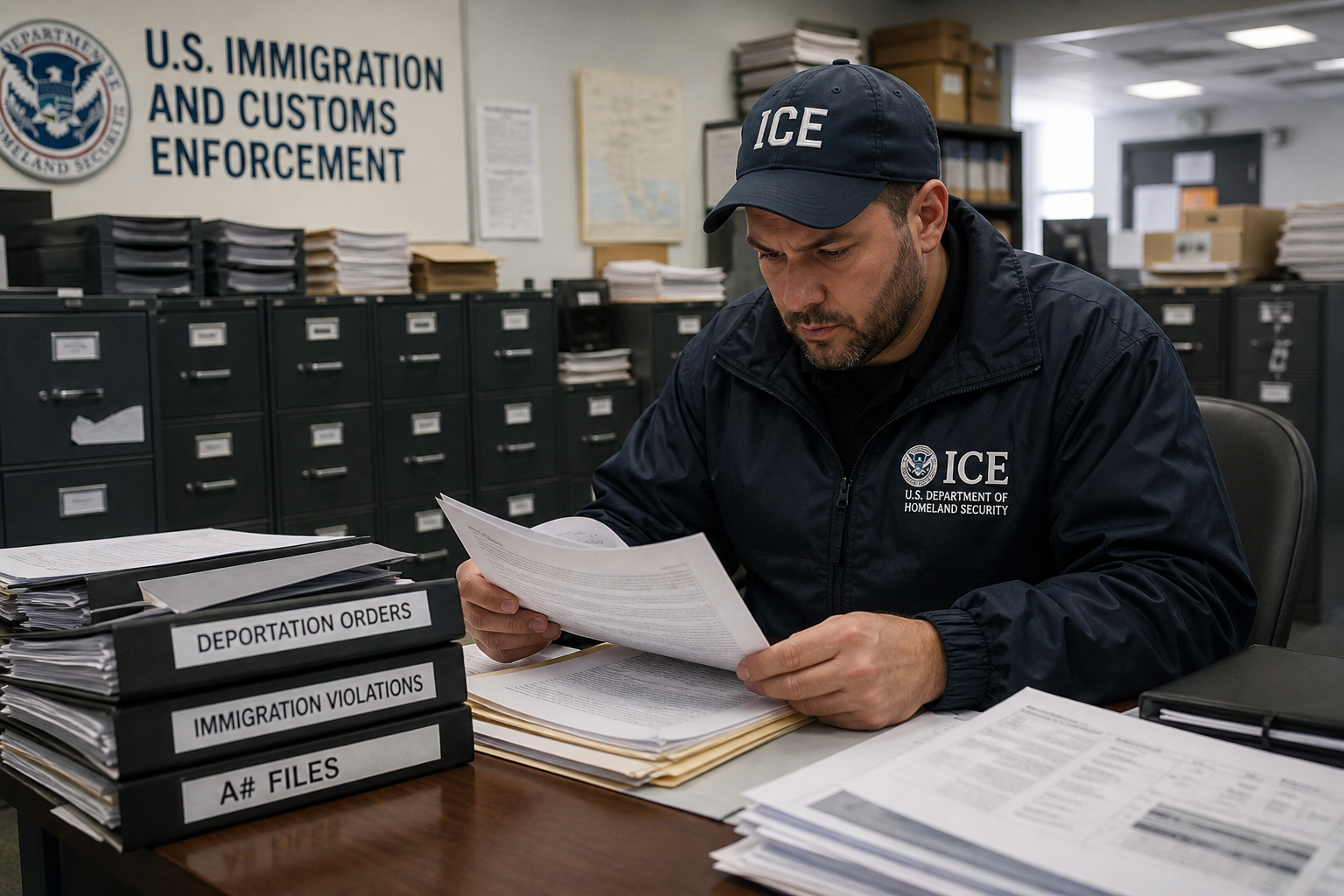
Immigration and Customs Enforcement has now launched an initiative to locate these children and assess their conditions. This is not a victory. This is an admission that a system designed to protect minors failed at its most basic function: knowing where they are.
How We Got Here
When unaccompanied children arrive at the border, federal law requires the Department of Health and Human Services to place them with a sponsor—typically a family member or other caregiver. The statute contemplates placement with relatives whenever possible. That much is correct policy.
But placement requires vetting. Background checks. Home visits. Documentation that the sponsor is not a trafficker, is not a criminal, is not placing the child in danger. Those procedures exist for a reason: to prevent placement of vulnerable children with people who will exploit them.
The past four years saw processing speeds accelerate without proportional investment in verification infrastructure. Sponsors were processed faster. Vetting became thinner. Follow-up visits became optional rather than routine. The Biden administration prioritized moving children out of federal shelters and into private custody as quickly as possible. Numbers went down. Problem solved. Except the problem was not solved. It was moved into shadow.
What Vetting Actually Means
A sponsor background check should include criminal history at both state and federal level. It should include a home inspection. It should include verification of income and stability. It should include checks against the National Human Trafficking Hotline database. It should include periodic follow-up to ensure the child remains in the home and is attending school.
When you compress this process, corners get cut. Background checks get shallow. Home visits get skipped. Follow-up disappears entirely. You end up with 450,000 children placed somewhere with no current way to verify where that somewhere is.
You also end up with a system that looks, from a trafficking perspective, like an open door. A child enters federal custody. That child gets processed in days instead of weeks. That child gets placed with someone verified only by paperwork, not by inspection. That child then falls out of the federal system's sight. What happens next is unknown.
The Border as Infrastructure
Arizona sits directly in this flow. Yuma Sector processes more than one-third of all southwest border encounters. Many of those are families. Many are unaccompanied minors who then move into HHS custody and placement systems. Those placements happen in Arizona. They happen in California. They spread across the country. But the border remains the entry point, and the processing there determines whether verification happens at all.
A functional border enforcement system includes the ability to vet someone before releasing them into the interior. That vetting has to be thorough enough that it actually catches problems. When you move thousands of children weekly, when you measure success by how fast you clear the shelters, you are not vetting. You are processing.
The Accountability Gap
Here is what should happen next: Congress demands a full accounting of where these 450,000 children are located. Congress demands the specific metrics for how many of them were actually subject to home inspections before placement. Congress demands to know how many sponsorship placements violated federal vetting requirements. Congress demands the specific agency or official who decided that speed of placement was more important than verification of safety.
That is what should happen. What will probably happen instead is that ICE goes looking for the children, finds most of them, announces that most of them are fine, declares victory, and moves on. The vetting procedures remain thin. The follow-up remains sporadic. The system remains built for speed instead of security.
The Question You Should Ask
If the federal government cannot currently locate 450,000 children it placed, what does that tell you about the government's ability to handle anything related to custody or care? Not about immigration, not about borders—about custody itself. About the government's operational competence.
You are a parent. You trust that when your child is in a system—school, daycare, anything—that system can tell you where your child is. The government cannot do that for 450,000 children in its own custody system. That is not a policy disagreement. That is a competence failure.
Watch for the follow-up reporting in the coming weeks. Mark the specific agency responses and the names of officials who did or did not answer the question directly. Then ask your congressional representative what they have demanded from those officials. If you get a non-answer, you know what you are dealing with. If you get no response at all, you know even more.
