
The Math That Nobody Wanted to Do
The Navajo Nation generated roughly $39 million annually in coal-related revenues at the industry's peak. The Hopi Tribe pulled steady income from coal leases and power plant operations. These were not peripheral budget items. They were the difference between functional schools and failing ones, between roads that got maintained and roads that didn't.
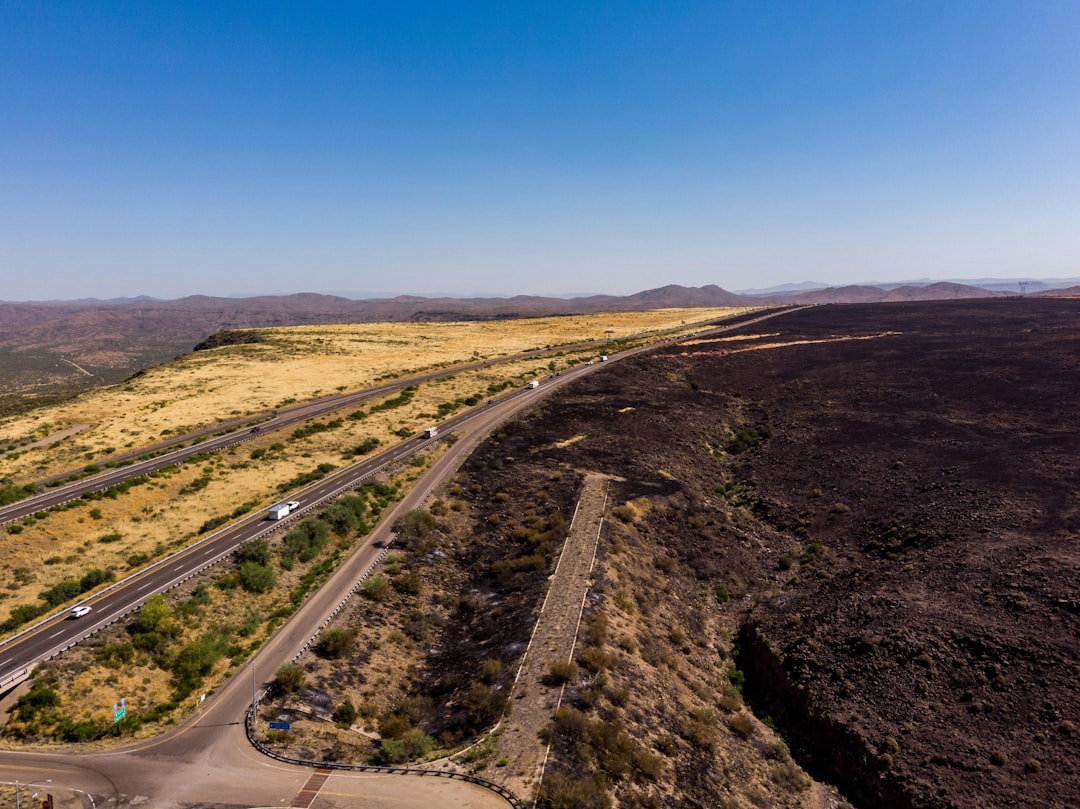
Then the market moved. Natural gas got cheaper. Solar technology got cheaper. Federal regulations made coal-fired generation more expensive. The Navajo Generating Station near Page closed in 2019. Four Corners Power Plant, which sits on Navajo land near Shiprock, reduced operations and is scheduled to close by 2031. The Kayenta Mine that fed it is winding down. Peabody Energy's Black Mesa mine in Hopi territory has already ceased production.
This is not a debate about whether climate policy is correct or incorrect. This is a straightforward accounting problem: tribes built government operations and community services on revenue streams that are disappearing, and nobody in Washington or Phoenix is writing checks to replace them.
How a Revenue Stream Becomes a Budget Crisis
Start with the basic structure. The Navajo Nation operates schools, hospitals, law enforcement, and administrative offices across 17.5 million acres and a population of roughly 175,000. The Hopi Nation, smaller but sovereign, runs the same essential services at a smaller scale. Both relied on energy sector revenues—not as a nice supplement, but as foundational budget items that showed up in appropriation bills every fiscal year.
When the Navajo Generating Station closed, the tribe lost immediate operating cash. But the secondary effects moved slower and hit harder. The coal industry employed roughly 2,200 people directly in Navajo territory at its peak, most of them making wages that supported families in rural areas where alternative employment is scarce. When those jobs vanished, they did not simply disappear into a labor market that would absorb them. They left. The workers left. The tax base they represented left with them.
Rural Arizona already suffers from limited economic diversity. In the coal-producing counties of Navajo and Apache, there is mining or tourism or subsistence. The middle-class wage job that supported a household was the coal job. Remove it, and you have not created a problem for next year. You have created a structural crisis that compounds every year the replacement revenue does not materialize.
Why Transition Talk Means Nothing Without a Payment Plan
Conservative policy on energy typically rests on two principles: first, that government should not pick winners and losers in technology markets, and second, that private investment and consumer preference should drive energy choices. Both principles are sound. Neither applies cleanly when federal environmental regulation accelerates the retirement of specific power plants on tribal land.
The federal government did not impose coal plant closure as a direct mandate. But federal permitting, Clean Air Act implementation, and regulatory pressure on coal economics created the conditions where closure became inevitable. If you accelerate the retirement of an energy asset that an entire government depends on for revenue, you have created an obligation to address the fiscal hole you just opened.
That obligation was not met. The Navajo Nation received some federal pandemic relief funds. It received some grants for renewable energy transition. It did not receive a comprehensive revenue replacement package from the Interior Department, the EPA, or Congress that said: you will lose $X in coal revenue over Y years, and here is how the federal government will backfill your budget so your schools and hospitals do not fail.
The result is what economists call an unfunded mandate, except it is not technically a mandate—it is a consequence of federal policy applied to a sovereign nation with no negotiating leverage.
The Renewable Energy Promise That Hasn't Paid Out
The conversation in energy policy circles assumes that coal-producing regions will simply transition to solar and wind. Arizona has abundant solar resources. Tribal land in the Southwest is excellent for renewable generation. In theory, tribes could develop solar projects, sell the power, and replace coal revenues with clean energy revenue.
Theory and practice are different things. Developing utility-scale solar requires capital, environmental permitting, power purchase agreements with utilities, and grid infrastructure investment. It requires expertise in project finance that tribal governments, focused on immediate budget pressures, do not have time to acquire. It requires investors willing to develop on tribal land, which brings complex jurisdictional questions and higher transaction costs than development on private land.
The Navajo Nation has built some solar capacity. It has pursued geothermal resources. These projects take years to develop and produce less immediate revenue per megawatt than a operating coal mine produces per ton. You cannot run a school district budget on a hope that a solar project breaks ground in three years and generates revenue in five.
Arizona's Role and Responsibility
The state of Arizona benefits from cheap energy supplied by coal-fired plants on tribal land. The Salt River Project, the Central Arizona Project, and major industrial users paid below-market rates for power generated partly on Navajo and Hopi territory for decades. As those plants close, Arizona's energy costs will rise, but Arizona's tax burden will not shoulder any of the transition costs that tribal governments now face.
From a federalism perspective, this is the central problem. A sovereign tribe cannot prevent federal environmental policy from destroying its revenue base. It has no veto. It has no seat at the table where those decisions get made in the way that a state does. Arizona state government, which can access capital markets and federal infrastructure funding in ways tribes cannot, has no obligation to help fund the transition that federal policy forced.
That is not just unfair. It is unsustainable. A tribal government that cannot fund its basic operations will fail. When it fails, federal spending on law enforcement, health care, and social services only increases. The immediate pain of funding a transition now is cheaper than managing the collapse of tribal government later.
What Needs to Happen
A serious federal commitment to tribal energy transition would include: direct budget support to replace lost coal revenues on a year-by-year basis; capital grants for renewable energy development without the matching requirements that make tribal projects unaffordable; streamlined permitting that actually reduces the timeline for tribal renewable projects instead of complicating it; and infrastructure investment that connects tribal renewable capacity to regional grids at rates that make the economics work.
None of this is happening at the scale the problem requires. The Bipartisan Infrastructure Law included some funding for tribal renewable projects. The Inflation Reduction Act offered tax credits for clean energy. These are better than nothing. They are not replacement revenue. They are not a plan.
Mark the date when your tribal government's coal revenue disappears entirely. Then ask whether the renewable revenue shows up on schedule. If it doesn't, you already know who will lose.
