
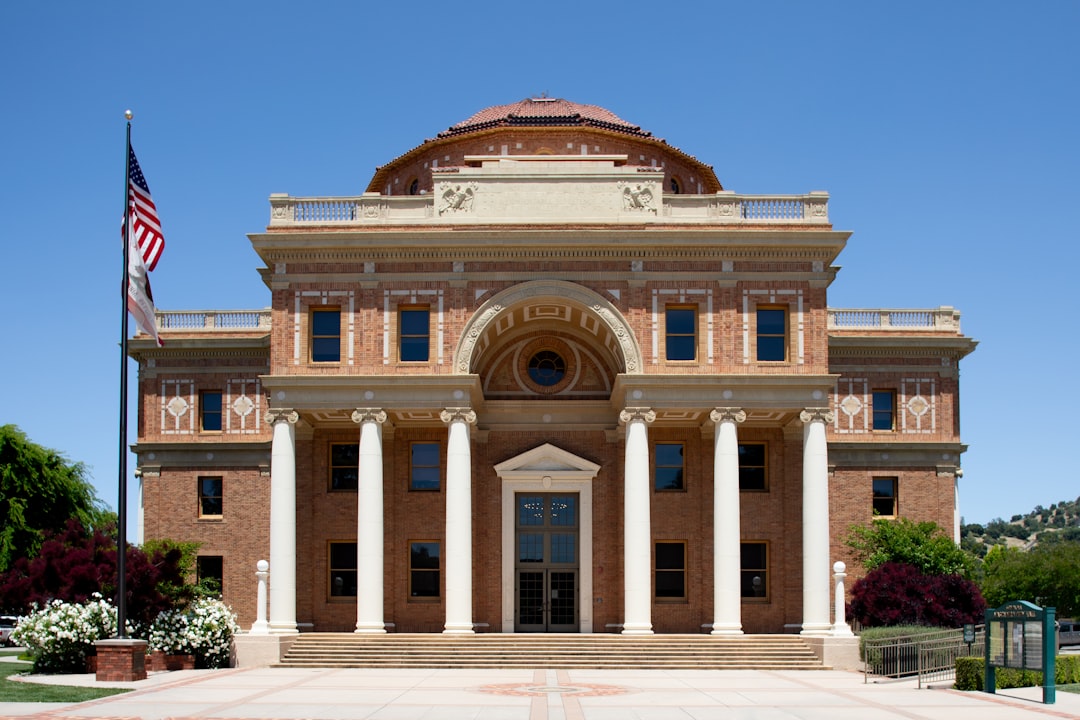
Court Rejects Challenge to School Choice Initiative Petition
The Arizona Supreme Court blocked an anti-school choice ballot initiative from moving forward on Monday, finding that the initiative's petition fell short of the required valid signatures. The decision centered on irregularities in how signatures were verified and validated—not on the merits of the policy itself.
This matters because it reveals how Arizona's initiative process actually works on the ground, and where the real power sits. Not in your living room debate about education policy. In signature verification.
What the Petition Actually Said
The initiative, if approved by voters, would have eliminated the Empowerment Scholarship Account program—the education savings account program that allows parents to direct public education funding to private schools, tutors, special education services, or homeschooling materials. The ESA program currently serves roughly 25,000 Arizona students and represents one of the most substantial school choice expansions in the nation.
The measure required 356,047 valid signatures to qualify for the November ballot. That is a specific number. Not an estimate. Not a trend. A threshold you either cross or you don't.
The Signature Problem
The petitioners submitted approximately 405,000 signatures. On its surface, that looks like comfortable padding—nearly 50,000 signatures above the requirement. But signature validity is not about how many sheets you collect. It is about how many of those signatures belong to registered Arizona voters, signed by those voters, in the correct county at the correct time, and verified by someone actually trained to spot forgeries and duplicates.
The Court found that the initiative's signature verification process contained irregularities that made the total count unreliable. The specific mechanics matter here. When you sign a petition, that signature has to match your voter registration signature. When an organization validates petitions, they have to do so systematically. They cannot just eyeball 405,000 names and guess.
The decision did not rule that the signatures were fraudulent wholesale. It ruled that the method of verification was sufficiently flawed that the Court could not certify that the petition met the constitutional threshold. That is the distinction between a process problem and a fraud allegation, and it is the one that carries legal weight.
What This Means for School Choice
For now, the ESA program survives. The Legislature created it in 2011 and expanded it substantially in 2022. It now covers roughly 25,000 students. Those students, and the parents who chose that model for them, remain enrolled.
But signature validity is not the only way Arizona initiatives get blocked. They also get blocked in the Legislature. They also get blocked in the courts on merits. And they get blocked at the ballot box. The school choice opposition will return with a corrected petition, a more careful signature operation, or both.
What matters for voters right now is that school choice advocates forced the anti-ESA side to go through the legal process properly. That is all accountability is. Not winning forever. Winning because you followed the rules better than the other side.
The Larger Question About Initiative Petition Process
This decision raises a legitimate question about how much rigor Arizona law actually requires at the signature verification stage. The initiative petition is supposed to be a check on the Legislature—a way for voters to bypass their elected representatives and put an issue directly on the ballot themselves. That is only legitimate if the signatures are actually valid.
But here is the friction: Initiative organizations have to collect hundreds of thousands of signatures in a short time window. Volunteers circulate petitions. Signature gatherers work for hire. The organization has to validate all of it. The Secretary of State's office has to validate it again. And if any stage in that process is sloppy, the whole thing fails.
That is arguably how it should work. A petition that cannot survive basic verification is a petition that does not actually represent voter will. It represents what a paid operation could collect in six months.
Alternatively, you could argue that the threshold is too high, the verification too rigid, and grassroots groups get buried by the cost of doing petition compliance correctly. Both arguments have force. Both point to real problems with the process.
What you cannot do is collect 405,000 signatures, verify them carelessly, and expect the Court to look the other way because your cause is righteous. The Court did not. It sent the petition back.
What Happens Next
The anti-ESA organizers can attempt to re-gather and re-verify signatures for a 2026 ballot initiative. They can lobby the Legislature to restrict or eliminate the program directly, which requires only a simple majority vote and the Governor's signature. They can wait until 2026 or 2028 and run ballot measures aligned with a presidential or midterm election cycle, when petition gathering is easier because more voters are engaged.
Parents in Arizona who chose the Empowerment Scholarship Account for their children should not assume this victory is permanent. Ballot initiatives are political, not constitutional. An election result can always be reversed. But for now, the initiative failed because it did not meet the mechanical requirements of Arizona law—and those requirements exist precisely so that ballot measures reflect what actual voters want, not what organizations claim they want.
Mark February 2026 on your calendar. School choice battles in Arizona do not stay settled. But they should be won with valid signatures, accurate verification, and transparent process. The Supreme Court reminded everyone which of those actually matters.
