
The $449 Million Question
An Arizona school district is asking voters to approve a $449 million bond measure. That number should sit with you for a moment. Four hundred forty-nine million dollars. That is not a request for permission. That is a directive to your county assessor to calculate what this costs you, annually, for the next 20 years, on your property tax bill.
The district's argument is straightforward: aging facilities need replacement, classrooms need expansion, and this is the responsible path forward. Facility maintenance is not an elective expense. Buildings fail. Roofs leak. HVAC systems stop working. That part is real. What is less clear is whether this particular district has done the work to demonstrate to voters that $449 million is the right number, that the spending plan is defensible, and that taxpayers have actually been shown where the money goes before they are asked to vote on it.
What Voters Should Know Before Election Day
A bond measure of this size typically includes several categories: new construction, renovation of existing buildings, technology infrastructure, and contingency. The problem is that "contingency" can mean different things to different administrators. In some districts, it is genuinely unforeseen costs. In others, it becomes a slush fund for projects that were not in the original plan.
Ask for the bond spending plan in writing. Not a summary. The actual document that breaks down where each dollar goes. If the district resists providing it, or provides it only in vague categories, that tells you something about how seriously they take accountability to the people paying for it.
Check the district's recent audit reports. These are public documents. Look for findings related to fund balance, purchasing procedures, and capital project management. An auditor's qualifications or concerns about internal controls are worth your attention before you vote to hand the district half a billion dollars.
The Real Debate: Necessity or Wish List
Supporters will tell you the bond is essential. Critics will say it is excessive. The truth usually lives in the middle, but the middle requires information the district should provide without being asked.
Consider what the district has already spent on maintenance in recent years. Is that spending trending up or down? If the district is properly maintaining its facilities with current budget dollars, why does it suddenly need $449 million? If it has been deferring maintenance, why was that permitted? Deferred maintenance is a choice, not an act of God.
Some districts have also explored alternative financing mechanisms: leasing agreements, public-private partnerships, or phased construction that spreads costs over time without a large upfront tax increase. Has this district seriously examined those options, or is a bond the path of least resistance?
The Transparency Test
Here is the practical standard: a school district asking for $449 million should be willing to defend every dollar in public, with specificity, before the election. Not after. Before.
That means a board member or superintendent should be able to tell a room full of taxpayers: "This $25 million is for roof replacement at schools A, B, and C, with these three contractors bidding. This $30 million is for technology refresh because our current systems are past warranty. This $60 million is for classroom expansion at the elementary level because enrollment in this area is growing at this rate."
If instead you hear generalities about "facility needs" and "deferred maintenance," you are being asked to write a check with a blank line. That is a problem.
What Happens on Election Night
Arizona school bonds require a simple majority to pass in most districts. That means 50 percent plus one of the votes cast. It does not require a supermajority. It does not require demonstrated broad support. Just a narrow majority.
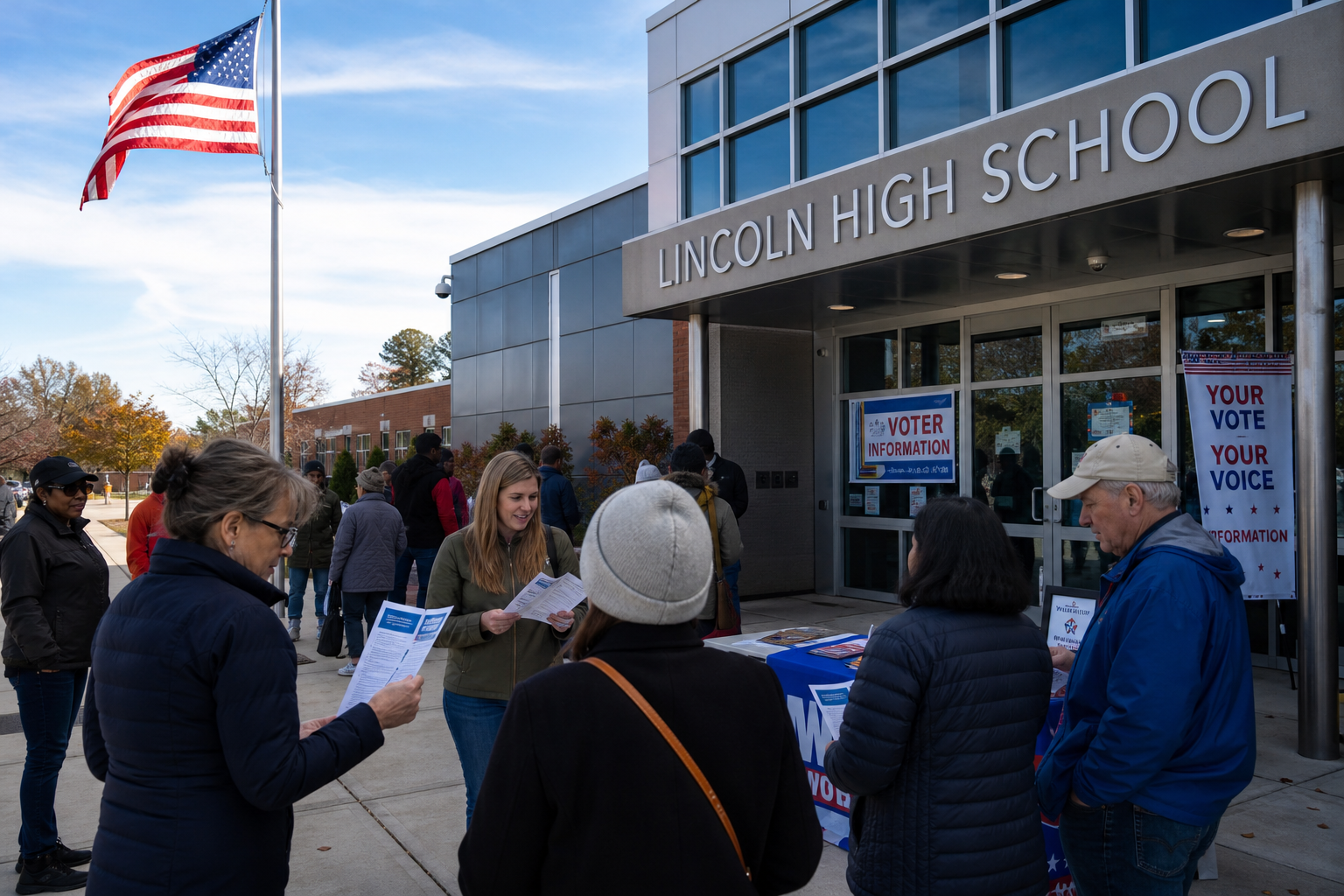
The vote typically occurs during a general election, when turnout is higher, which favors the measure. If you oppose it, show up. If you support it, show up. If you are undecided, become decided before you enter the polling place. Your tax liability for the next two decades should not be a casual decision.
Before you vote, ask yourself three questions: Do I have a complete, itemized spending plan? Has the district demonstrated that this is the least expensive way to address genuine facility needs? Would I approve this spending if it were coming from my own business budget, or would I ask harder questions first?
If you cannot answer yes to all three, you do not have enough information to vote yes. Tell the district to do better and come back when they have earned your trust.
That $449 million will be collected in increments over two decades. It will come out of the property tax bills of people who live in this community after the current board members have moved on. That is worth taking seriously before November.
