
Follow the Children, Follow the Accountability
The federal government has announced it will track 450,000 unaccompanied migrant children placed with sponsors whose backgrounds were never properly vetted. You should understand what that number means and why it matters before the next congressional hearing pretends to care.
When a child crosses the border alone, the law requires the Department of Health and Human Services to place that child with a sponsor—typically a family member or other adult willing to take custody. The federal government is supposed to verify that sponsor's identity, check for criminal history, and confirm the home is safe. That is the law. That is what federal agencies are supposed to do.
They did not do it. Not consistently. Not for hundreds of thousands of cases.
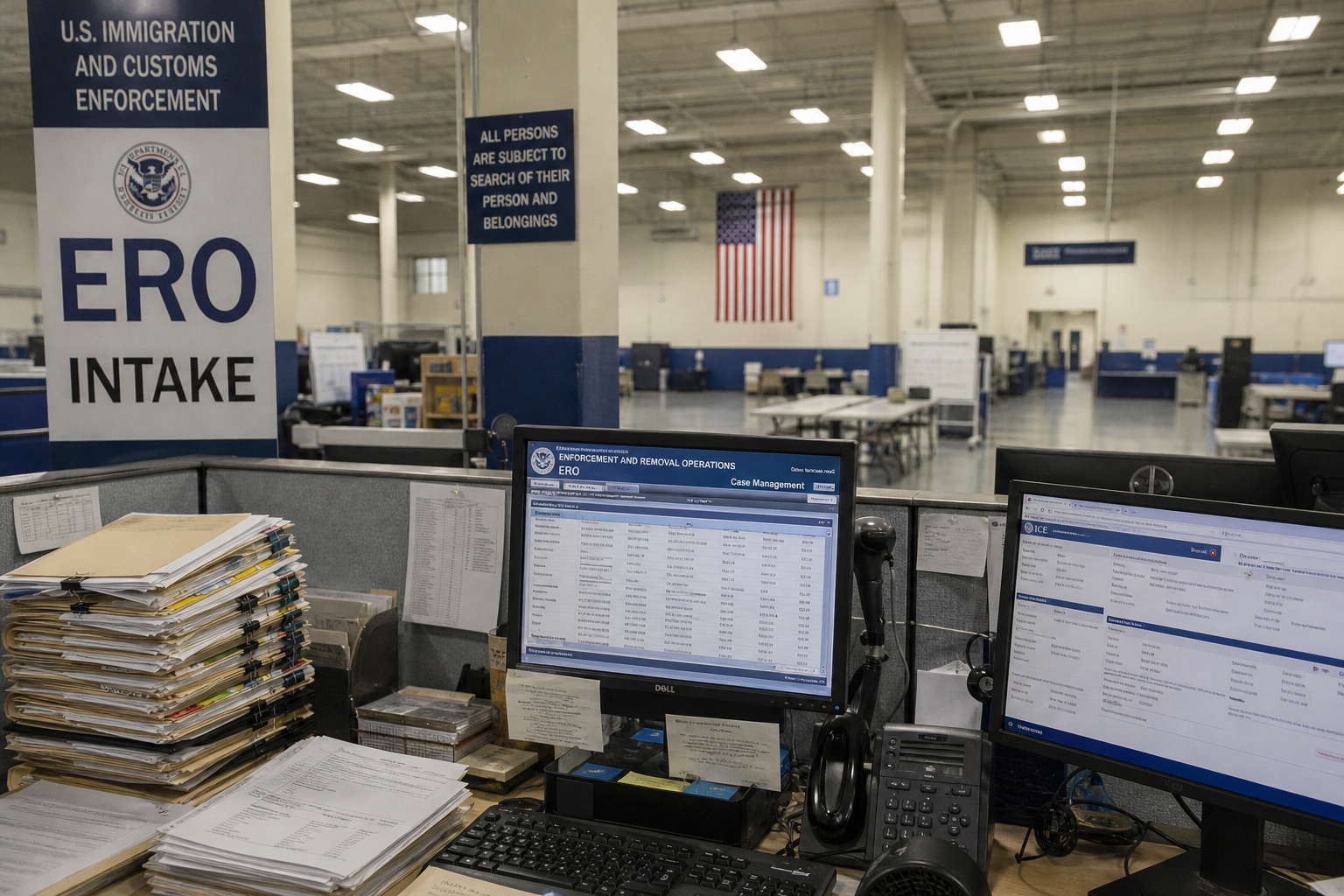
Now Immigration and Customs Enforcement says it will build a tracking system to monitor where these children are and who has them. That sounds like accountability. It is not. It is an acknowledgment of a failure so large that the agency needs a new database just to keep track of the failure.
What the Numbers Actually Show
Four hundred fifty thousand children. Not cases. Children. Some are now teenagers. Some have been in sponsor homes for years without the federal follow-up visits that are supposed to happen. The number keeps growing because the border continues to generate intake faster than the system can process placement.
The tracking initiative itself is not wrong. Knowing where a child in federal custody is located is a baseline requirement. But baseline requirements should already be met. The fact that ICE has to announce a new program to do what agencies were already funded to do suggests something deeper is broken.
Ask yourself: if an Arizona child welfare agency placed a child with an unvetted caregiver and then lost track of where that child was living, what would happen? The agency director would be called to the legislature. The media would run stories for weeks. Parents would demand criminal investigations. Yet when the federal government does the same thing with 450,000 children—mostly from Central America—it gets a press release about a new database initiative.
The Sponsor Problem No One Wants to Name
Not all sponsors are family. Not all sponsors have clean backgrounds. Some sponsors have criminal records. Some have immigration violations themselves. Some take custody of children for reasons that have nothing to do with family obligation. The vetting process was supposed to prevent that. The vetting process failed because nobody in Washington wanted to slow down the placement numbers.
That is the real issue. When a child arrives, there is political pressure—from both parties at different times—to get that child out of federal holding and into community placement as quickly as possible. Speed and safety are in conflict. The system chose speed.
A tracking database does not fix that conflict. It just creates a record of where the conflict landed.
What Transparency Would Actually Require
If federal agencies were serious about accountability, they would publish quarterly reports showing the number of children placed, the number of sponsors actually vetted before placement, the number of sponsors who had disqualifying criminal histories, and the number of follow-up home visits completed after placement. They would break those numbers down by state. They would include the agency name and the contract vendor managing each placement.
They would do that because a taxpayer and a voter should know what the government is doing with children in its custody. Not because an inspector general conducted an audit. Not because a congressional committee demanded a hearing. But because that is what transparent government does as a matter of routine.
The proposed tracking system does not commit to any of that transparency. It commits to tracking. That is not the same thing.
The Border Responsibility Problem
This situation exists because the federal government has not secured the border. When 450,000 unaccompanied children arrive, it creates an intake crisis that cannot be solved by vetting harder or tracking better. The number itself is the problem. The tracking system is a management solution to a border control failure.
You cannot vet 450,000 cases thoroughly. You cannot follow up on 450,000 placements consistently. You cannot maintain quality assurance on a system that large when the intake keeps accelerating. At some point, the system itself becomes the failure.
The people in charge know this. They are announcing a tracking system because they cannot announce a border closure. One is easier to defend in a hearing. The other is what would actually solve the problem.
What You Should Watch For
When ICE releases details on the tracking system, ask for the specific implementation date. Ask whether the database will be accessible to state child welfare agencies or whether it stays in federal hands. Ask how many of the 450,000 children will have been located and verified safe before the system launches, and how many will still be in the backlog. Ask what disqualifying factors are actually grounds for removing a child from a sponsor's home once placed.
Watch for the word "monitoring" without the word "enforcement." Tracking a child's location is different from actually checking on that child's welfare. One is data collection. The other is child protection.
The federal government has 450,000 reasons to get this right. It should do it because the law requires it and because a child's safety does not wait for a congressional audit. Not because a new database makes it look like something is finally being done.
