
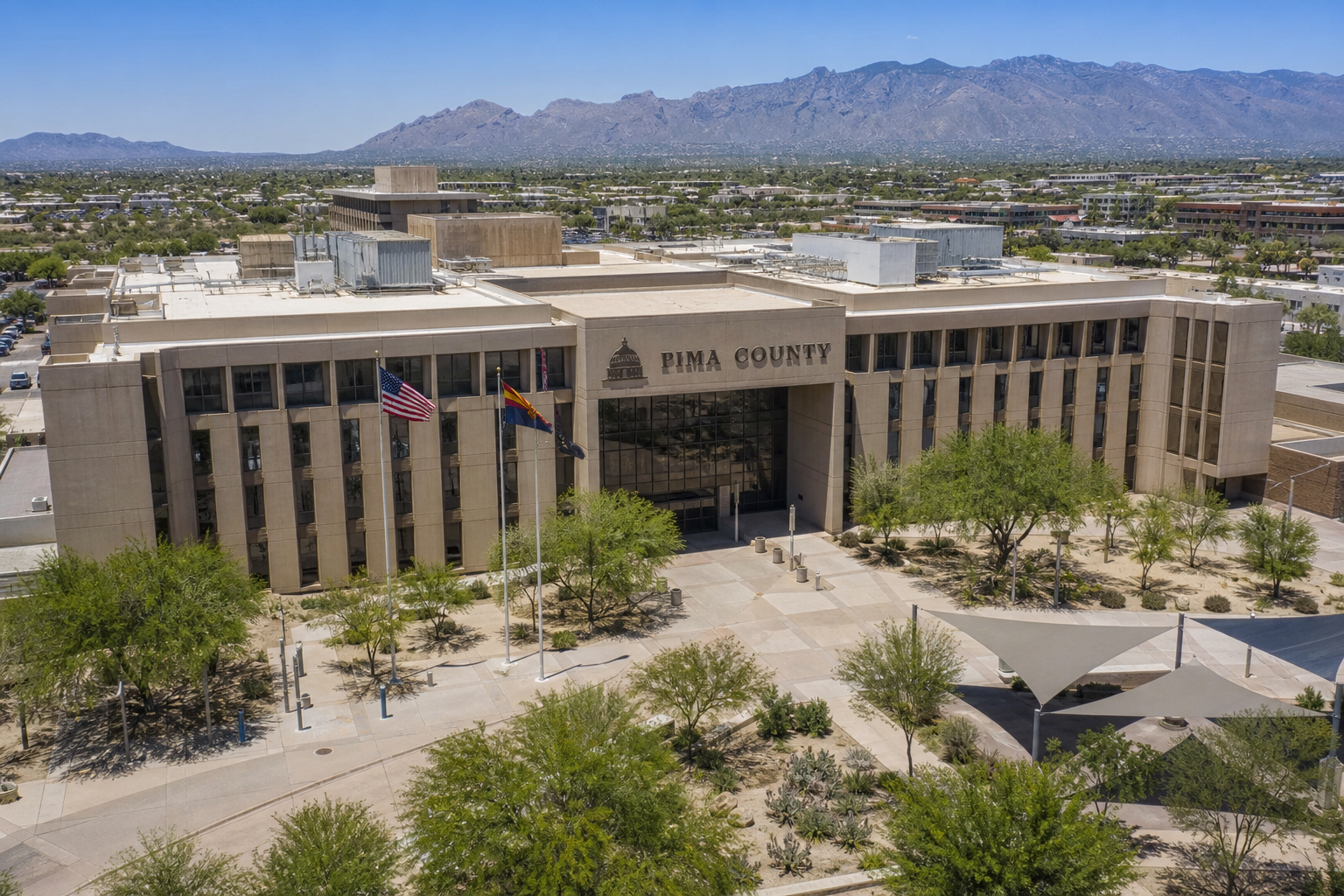
County Proposes Steep Increase to Spending Authority
Pima County is moving toward a 75 percent increase in its spending cap. That is not a small adjustment. That is a structural shift in how much money the county claims authority to spend each year without a vote.
The current cap exists because voters approved it. Taxpayers set a limit on what county government could do without asking permission first. Now the county wants to raise that limit by three-quarters. You should know what that means before it moves to the ballot.
How the Spending Cap Works
Arizona counties operate under Proposition 301, a 2000 voter measure that allows counties to spend up to a percentage of assessed property value each year. The cap prevents runaway spending without requiring a new vote every budget cycle. It is a throttle.
Pima County's current cap was set by voters years ago. The supervisors now argue it is too tight. Their argument is that services have grown, costs have risen, and the cap no longer reflects reality.
That argument deserves scrutiny. Not because county services did not grow. Because every county in Arizona says the same thing, and few of them have solved the problem by asking voters for a permanent increase.
What Changed Since the Last Vote
County officials point to rising costs in public safety, transportation, and social services. They point to inflation. They point to population growth, particularly in unincorporated areas where the county provides services that cities do not.
Those are real pressures. But they are not unique to Pima County. Maricopa County faces the same inflation. Yavapai County faces the same growth in demand. The question is not whether costs rose. It is whether the county has managed what it has.
Pima County's budget has grown significantly over the past decade. That growth came through a combination of increasing assessed values and voter-approved tax increases. The county has obtained additional revenue. What it is asking now is for permanent authority to spend 75 percent more from the same tax base.
The Fiscal Responsibility Question
A 75 percent increase in spending authority is not a temporary fix. It is a permanent expansion of government. Once voters approve it, it stays. It becomes the new baseline. Future boards will spend to it.
Pima County should answer three questions before that measure reaches the ballot. First: how much of the current cap is actually being used? If supervisors are not spending to the limit now, why should voters grant a higher one? Second: what specific services justify a 75 percent increase, and what is their cost trajectory? Not a list of needs. A line-item answer. Third: what cost controls does the county propose to impose on itself if voters grant this authority?
These are not anti-government questions. They are taxpayer questions. A family that asks for a larger credit line should be prepared to explain why it cannot manage the current one.
The Election Year Timing
Pima County is moving this proposal in a year when voters are already selecting supervisors. That is the moment when supervisors most want to avoid tax votes and cap increases. Running for re-election and asking voters for a bigger budget is difficult politics.
Which means if the county is pushing this now, the pressure must be real. That is worth noting. It also means voters should be skeptical of the urgency. Elections concentrate minds. They also concentrate budget talk designed to appear more urgent than it is.
What Happens to Your Tax Bill
A higher spending cap does not automatically mean higher taxes. It means authority to spend more if property values rise or if the county increases rates within state limits.
But it removes a constraint. Once the cap rises, future boards can spend to it. You will not get another vote. You will get a higher bill and an explanation of why the money was necessary.
If you own property in an unincorporated area of Pima County, you already pay for county services. If you own commercial or rental property, you are paying for those services at the assessed value rate. A 75 percent increase in spending authority means a larger pool of money available to spend on your dime without another election.
A Question of Trust
Ultimately, this is a question about whether you trust Pima County government to spend 75 percent more responsibly than it spends the money it has now. Not whether it has good intentions. Whether it will exercise restraint with an expanded budget.
Arizona's history on this point is not encouraging. Counties and cities that asked for higher caps have generally spent to them. What was billed as temporary has become permanent.
Pima County supervisors should publish a detailed fiscal plan showing exactly what the 75 percent increase will fund, over what time frame, with what performance metrics. Not a rough estimate. A county budget document that you can read the way you read your own household budget.
If the need is real and the money is necessary, that case can be made in numbers. If it cannot, then the increase is not urgent enough to warrant removing a voter-imposed constraint on county spending.
What To Do Before the Vote
Request the county's detailed justification for the 75 percent figure. Ask your supervisor directly why this year and why this amount. Attend the public hearing on the proposal. Write down the answers. Compare them to the county budget you can access online.
A spending cap increase is not inherently wrong. But it is inherently permanent. Voters should treat it as such.
