
The Lawsuit and the Policy Question
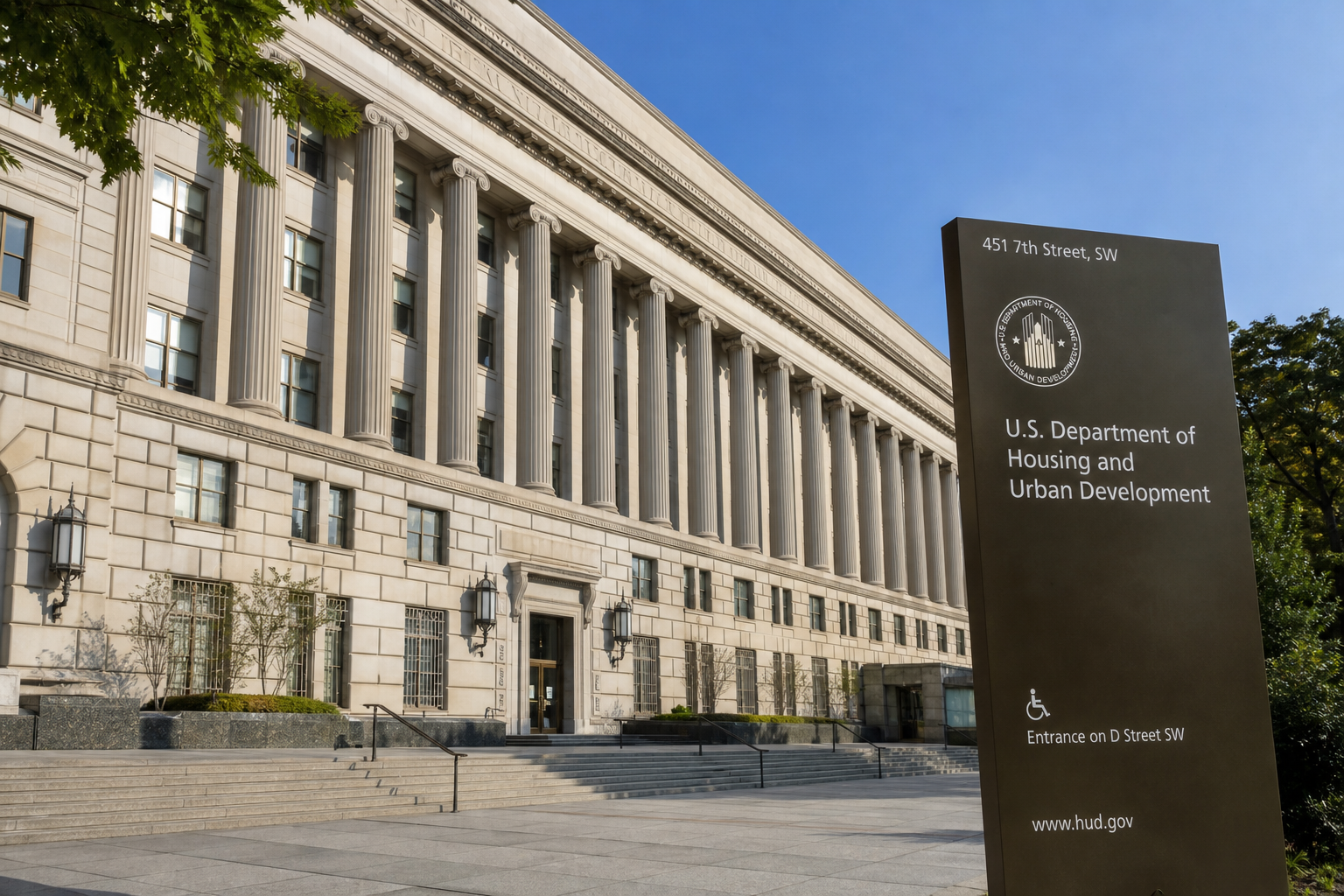
A coalition of state attorneys general moved to block the Trump administration's decision to defund federal housing programs that directed resources toward gender ideology initiatives. The suits target what these officials describe as unlawful deprivation of funding to housing assistance programs and related services.
The administration's order redirected federal housing dollars by restricting grant programs and housing assistance that had funded programs explicitly centered on gender identity and related programming. The specific mechanism was a limitation on how states and municipalities could allocate federal housing assistance funds in ways the administration deemed inconsistent with its priorities.
The Federalism Question Underneath
This dispute is fundamentally about who controls how federal dollars get spent once they land in state hands. The attorneys general argue the administration lacks authority to unilaterally redirect congressional appropriations. The administration argues that executive authority over agency operations and grant conditions is well within executive power.
Here is what matters: Congress appropriates the money. Congress passes the statute that governs the housing program. The question is whether an administration can condition federal housing grants on what a state does with other state or local funds, or whether once federal money reaches a state, the state has discretion over its use absent explicit statutory limitation.
This is not a trivial federalism question. If an administration can defund entire programs because it disapproves of how a state spends non-federal revenue on related services, the theory of federal funding becomes something different than it has been. It becomes conditional not just on the use of federal dollars, but on the state's entire regulatory posture.
What the Statute Actually Says
The relevant housing statutes—principally the Community Development Block Grant program and related authorization—do not explicitly restrict funding based on state or local policies regarding gender identity programming. The statutes authorize HUD to set terms for federal grant recipients. They do not explicitly authorize HUD to defund states based on what those states do with non-federal funds.
That distinction matters legally. An executive agency possesses only those powers granted by statute. When Congress appropriates money for housing assistance and does not include language restricting it based on gender policy, an agency cannot manufacture that restriction through executive order.
That is the constitutional problem the attorneys general are raising, and it is a legitimate one regardless of whether you support or oppose gender ideology programs.
The Political and Practical Reality
The lawsuit presents a problem for conservative federalism arguments, and that problem is worth naming directly. When Republican administrations want to defund programs Democrats created, conservatives typically embrace executive authority to condition grants and redirect spending. When Democratic administrations tried the same with, for example, law enforcement funding or border-related spending, conservatives screamed federalism violation.
The principle cannot move only when your side benefits. If the principle is that states have sovereignty in how they spend state revenue and conduct state policy, then that principle applies even when the state is California or New York and the policy involves something conservatives oppose.
Conversely, if the principle is that an administration can condition federal spending to enforce its policy preferences, then that same principle will be available to Democratic administrations in future years, and the complaint about it will ring hollow.
The Merits of the Defunding Decision
Separate from the legal question is whether the policy itself makes sense. If you believe that federal housing dollars should not subsidize or support gender ideology programming, the administration's instinct is defensible. Federal taxpayers should not fund initiatives they oppose, particularly when those initiatives are contested in the broader culture.
But the mechanism matters. If the mechanism is a proper exercise of statutory authority and appropriate executive power, it holds up. If the mechanism overreaches statutory language to achieve the policy outcome, courts may block it—and should, regardless of whether the underlying policy is wise.
What Comes Next
The cases will likely move to federal district courts in blue-state jurisdictions, which means unfavorable initial rulings for the administration are probable. Appeals to circuit courts follow, and this may end at the Supreme Court if the issue is important enough and the circuits split.
The timeline matters. A district court injunction could restore funding within weeks. A final Supreme Court decision could take years. In the meantime, states lose money, and the political fight continues in Congress and public debate.
If you believe gender ideology should not receive federal funding, pressure your representative to amend the statute explicitly restricting it. That is permanent and constitutional. If you believe it should, same answer—amend the statute to authorize it explicitly. The process is slow, but it is the correct one. Executive power to redirect appropriations based on unenumerated policy preferences, applied consistently, threatens every constitutional check on centralized authority. Even when you like the result.
Watch the ruling dates. Mark when the first injunction is issued. Then ask your representative why Congress has not written its own answer instead of leaving this to judges.
