
How Arizona Lost the Senate
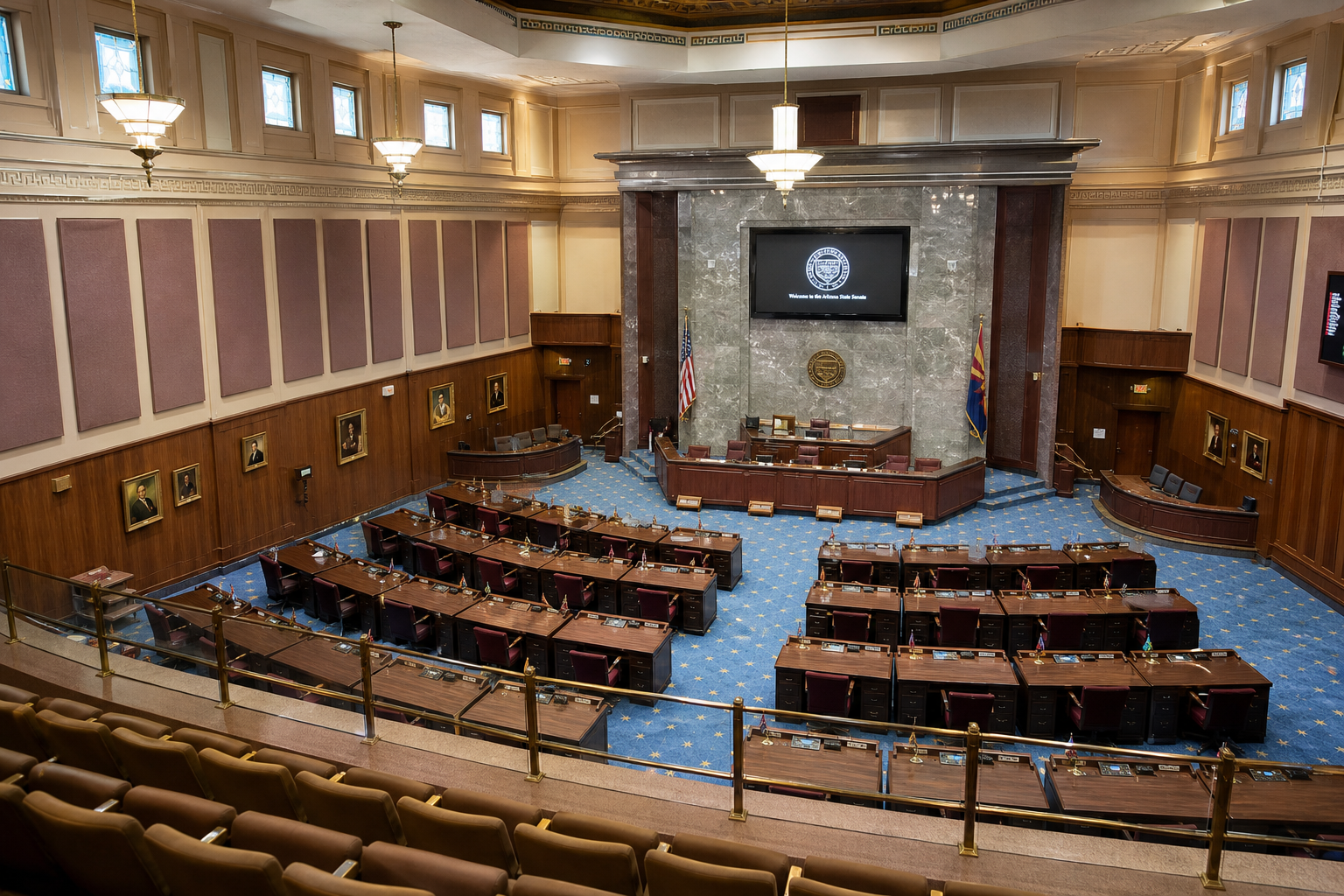
The Arizona State Senate now has a Democratic majority. Not by one seat. By enough that Republican legislative strategy in the upper chamber is no longer about winning votes—it is about damage control and negotiating what you lose.
That is a different kind of problem than losing an election. Elections you can win back. A majority you lose in a chamber you controlled means your policy agenda stops moving. Your nominees do not get confirmed to boards and commissions. Your bills die in committee before they ever reach a floor vote. And every single thing the other side wants has the votes to pass.
Arizona voters made a choice. That choice has consequences. Conservative voters need to understand what those consequences are, because the press will not explain them clearly, and Democratic leadership will not announce them until they have already happened.
What a Democratic Senate Controls
Start with the state budget. No spending bill passes without Democratic votes. That means education funding—already the largest line item in state spending—will be allocated according to Democratic priorities, not Republican ones. School choice gets harder. ESA funding growth gets constrained. Merit pay for teachers gets revisited. The public school lobby, which has Sacramento Democrats as its model, will have a majority willing to listen.
Water policy shifts. The Senate has real power over groundwater management, Colorado River negotiation positions, and agricultural water allocations in the rural counties. A Democratic majority means environmental groups that have been shut out of serious negotiation now have a seat at the table. Rural counties like Yuma and Cochise, which have spent a decade fighting federal overreach and state agency creep, will find their opposition now comes from Phoenix instead of just from Washington.
Criminal justice becomes an open question. Prosecutorial discretion, sentencing guidelines, bail reform—these all move in a direction that Democratic majorities prefer. The question for law enforcement and the counties that pay for it is whether that direction aligns with public safety as your community measures it.
The border. Border policy does not start in Phoenix. It starts in El Paso and San Diego. But state policy on smuggling routes, cooperative enforcement with federal agencies, and resource allocation for Yuma and Cochise counties all flows through the Capitol. A Democratic Senate will not pursue the same enforcement posture a Republican one did.
What This Means for the House
If the House is still Republican, the dynamics change. You get gridlock. You get a governor and two chambers of different parties. You get bills that die because one chamber will not send them to a governor of the opposite party, or the governor will not sign them because the other chamber is hostile.
That is the scenario Arizona may be heading into. And gridlock, while frustrating, is not the worst outcome. Gridlock means nothing bad happens as fast. Sometimes nothing good happens either. But a fully Democratic legislature with a Democratic governor is a different kind of problem—one where the speed of change accelerates and conservative voters lose the chance to block it at any stage.
The Wider Implications
Arizona was not supposed to shift Democratic. The state was supposed to get redder. It had a Republican governor. It had a Republican legislature. The demographics favored Republicans—or so the analysis said. That narrative is now in the discard pile.
What happened is what happens in every swing state eventually. The state changes. The suburbs grow. The rural counties stay Republican but do not grow. The balance tips. And one cycle, you lose a chamber you thought you owned.
The question is not whether Arizona remains a swing state. It is whether Republicans can rebuild a majority while holding the line on the policies that swing-state Republicans care about—the border, school choice, fiscal restraint, and limited government. Those are not trivial things. They are not easy things. And they are not things you can compromise on and call it strategy.
A Democratic Senate will not compromise on those issues. It will use its majority to move the state in a direction that fits Democratic priorities. That is what majorities do. Republicans did it for a decade. Now they need to understand what it feels like to be the minority and think about how to build a majority again.
What Happens Now
Mark your calendar for election night 2026. That is when Arizona voters will decide whether this was a one-cycle shift or the start of a longer trend. By then, a Democratic Senate will have voted on spending bills, water policy, education reform, and criminal justice issues. Those votes will be on the record. The voting record is the primary accountability tool conservatives have.
Find those votes. Write them down. Share them with your precinct committeeman. Ask your Republican candidates where they stand on what that Democratic Senate just did. If they voted for the bad parts, ask why they should be trusted with power again.
That is not revenge politics. That is how representative government is supposed to work. It is how you rebuild a majority—by holding people accountable for what they did when they had it, and by making clear to voters what they are voting for or against next time.
Arizona voters shifted the Senate. Now they should know what they voted for.
