
The Lawsuit and the Stakes
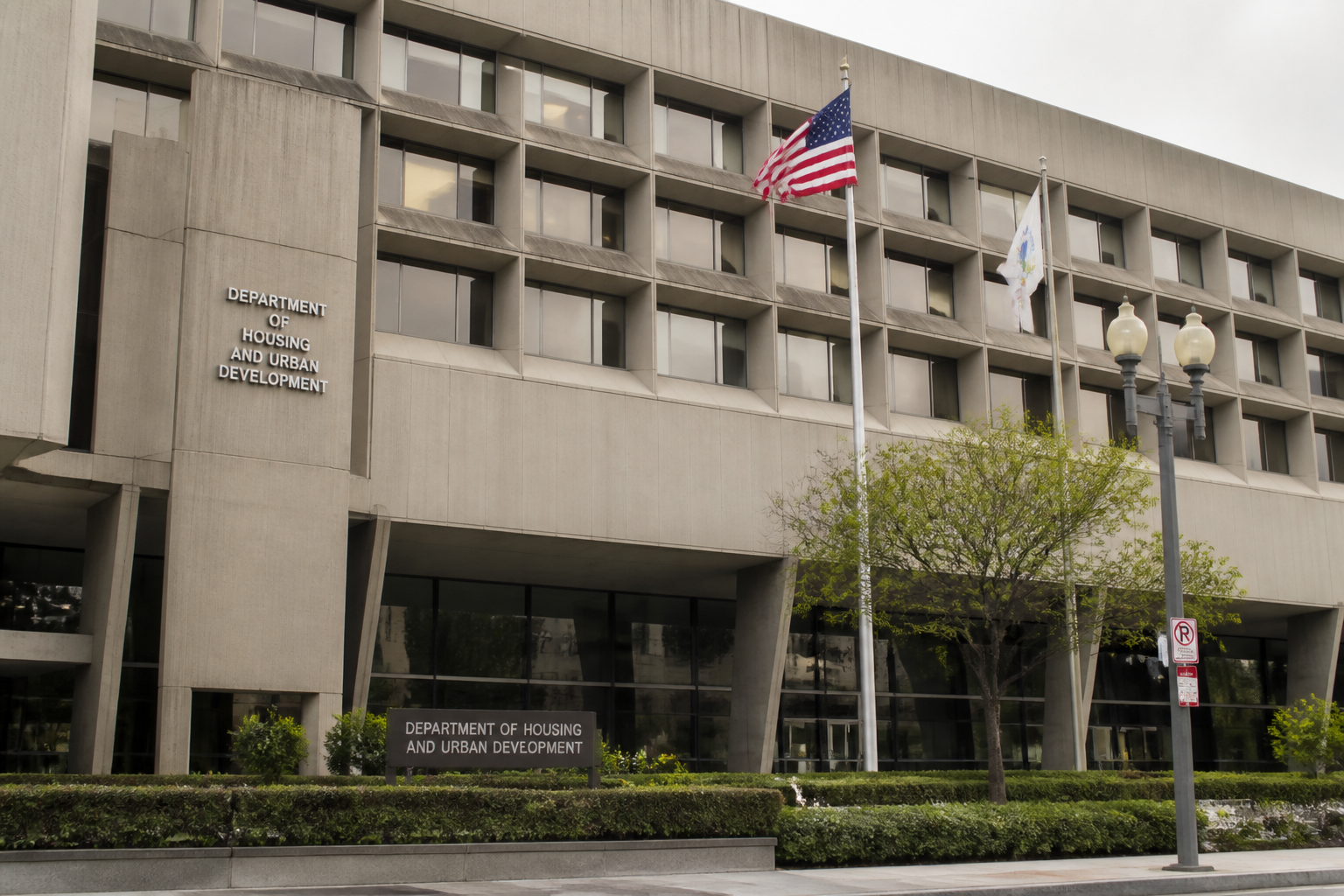
Blue state attorneys general filed suit this week challenging the Trump administration's directive to the Department of Housing and Urban Development to eliminate what they characterize as gender ideology mandates from federal housing programs and guidance. The filing targets what the administration describes as restrictions on occupancy and facility rules that had been imposed through agency interpretation of Fair Housing Act provisions.
This is not a minor administrative dispute. It is a fundamental disagreement about the reach of federal civil rights law, the ability of states to set their own housing policy, and which branch of government gets to define the terms of statutes that Congress actually wrote.
What the Administration Actually Changed
The Trump administration's directive addresses how HUD interprets sex discrimination under the Fair Housing Act. The administration argues that previous guidance expanded the term "sex" beyond its statutory meaning to impose occupancy standards and facility-use rules that Congress never voted to require.
Specifically, the administration contends that the Fair Housing Act prohibits discrimination based on sex as Congress understood that term when the statute passed in 1968. The agency is reversing guidance that interpreted sex discrimination to include requirements around gender identity in housing placement, facility access, and occupancy rules.
The states filing suit argue this reversal violates civil rights protections and puts federal housing dollars at risk for communities that do not comply with the broader interpretation.
The Legal Theory
This is where the case gets complicated, and where an Arizona conservative should pay attention.
The administration is making a separation-of-powers argument. It holds that HUD does not have the independent power to rewrite the Fair Housing Act through agency guidance. Congress wrote the statute. Congress defined the scope of sex discrimination. An agency cannot unilaterally expand statutory terms beyond what Congress voted to impose.
The blue state attorneys general are making a different argument. They contend that fair housing protections should be read expansively, that agency interpretation deserves deference under administrative law, and that the reversal itself violates civil rights principles.
Both sides will cite precedent. Both will argue they are defending the rule of law. One of them will end up in front of a federal judge who has to decide whether a statute means what it says or what an agency says it means.
Why This Matters in Arizona
Arizona has its own housing and fair housing framework. Arizona also has its own Department of Housing. State government in Arizona does not typically take its cues from HUD guidance alone.
But federal dollars flow to state housing programs, and federal compliance requirements come with those dollars. If HUD reversals trigger loss of federal funding to Arizona programs, that is a real budget item. If states lose the ability to set their own occupancy standards in state-funded housing, that is real policy authority shifting.
Arizona conservatives should care about this for two reasons. First, it is a test case for whether executive agencies can rewrite statutes or whether Congress retains the power to set the bounds of law. Second, it determines whether Arizona can set housing policy for Arizona, or whether interpretations imposed through federal agency guidance override state judgment.
The Administrative Law Problem
This lawsuit is really about administrative law. It is about whether agencies can use guidance, policy statements, and informal interpretation to effectively amend statutes.
The Obama administration used this method extensively. It issued guidance on a range of policies — housing, education, employment — that went beyond what statutes explicitly required. Republican administrations inherited that framework and often worked within it, or reversed it only at the margins.
The Trump administration is arguing that the method itself is the problem. That if Congress wants a rule, Congress can vote for it. That agencies can enforce the law Congress wrote but cannot invent new requirements through memo and guidance.
The blue states are arguing that statutes need interpretation, that agencies are expert interpreters, and that reversing interpretations that have been in place is itself a form of harm that courts should examine.
One of those theories will win. The decision will affect how much power executive agencies actually have to regulate without votes in Congress. It will matter for housing, but it will matter much more for environmental law, labor law, and virtually every regulatory regime where agencies have expanded their authority through guidance rather than formal rulemaking.
What Happens Next
The lawsuit will likely move quickly through federal district court. It will eventually reach an appellate court. The Supreme Court may or may not take it, depending on how the lower courts divide.
In the meantime, housing programs in blue states may face uncertainty. HUD may have to issue formal rulemaking rather than guidance if it wants to alter previous interpretations. States and localities will operate in the gap between the old guidance and whatever the courts eventually settle on.
Watch for briefs filed by interested parties — other states, civil rights organizations, housing providers, and agency advocates. The real argument is not about housing. It is about whether Congress or agencies hold power to set the terms of federal law.
Mark the docket number when the case is assigned. Follow the briefing schedule. This is the kind of institutional question that does not appear on ballot measures but determines what government can actually do.
