
The Arizona Trifecta: What Changed and Why It Matters
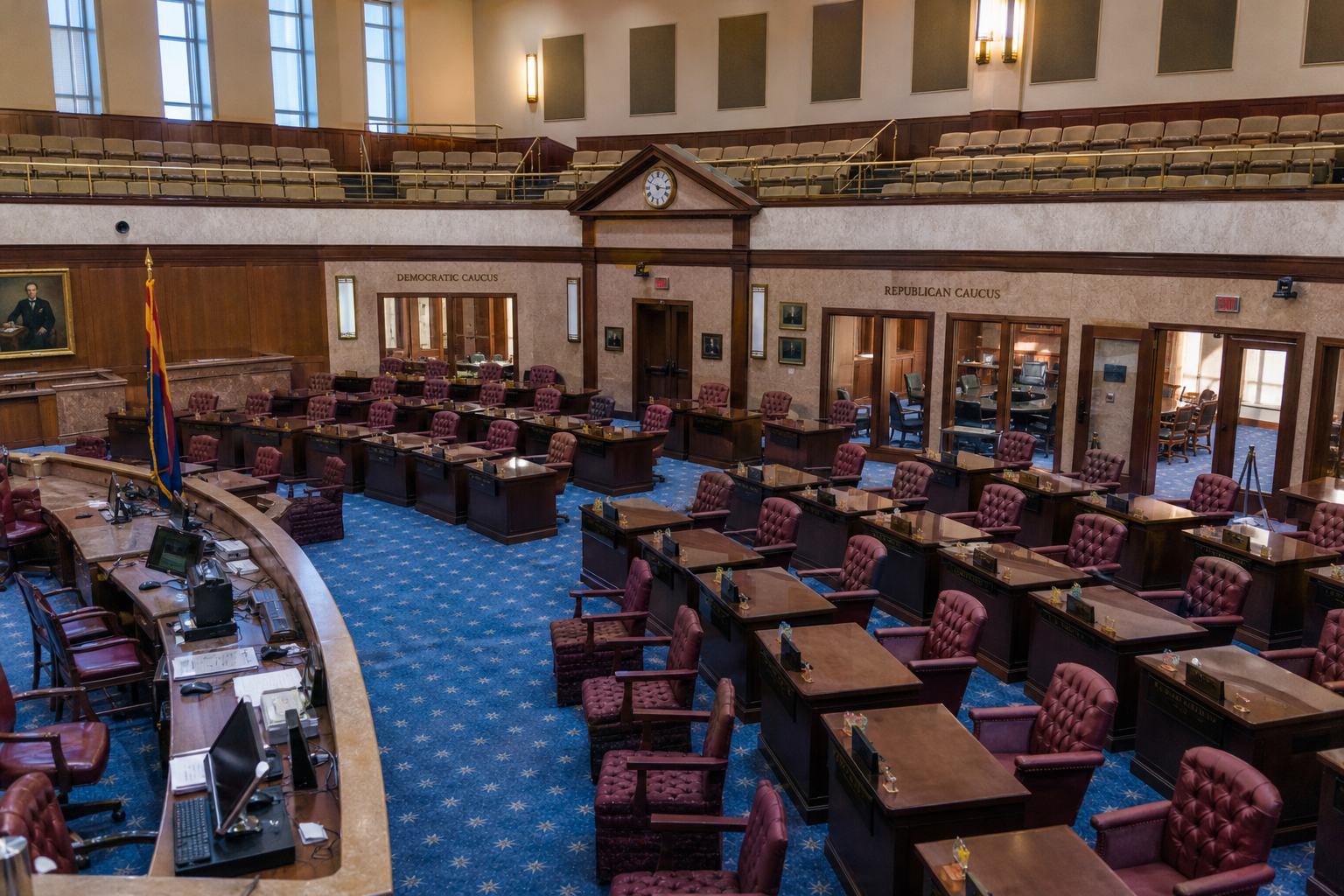
For the first time since 1964, Arizona Democrats control the governor's office, the state House of Representatives, and the state Senate. This is not a statistical observation. This is a structural change in how Arizona's government will operate for the next two years. What gets written into statute will reflect Democratic priorities, not Republican ones. What gets funded will go where Democratic leadership decides. What does not get written will stay dead.
If you have spent the last decade watching Republican supermajorities in Phoenix pass bills on school choice, border enforcement, and water rights, understand what is about to happen in reverse.
Where the Power Shifts First
The state House of Representatives now has a Democratic majority. The state Senate now has a Democratic majority. Governor Katie Hobbs, elected in 2022, has the signature pen for bills that come to her desk. The legislative process that has run one direction for years will run the other one.
Start with the budget. The budget is not abstract. It is $16 billion in state money allocated to specific purposes. Schools. Prisons. Road maintenance. Wildfire response. Water programs. Under Republican majorities, that money flowed toward priorities set by Republican leadership. Under Democratic control, it flows toward priorities set by Democratic leadership. The appropriations committees change. The budget chairs change. The witnesses who testify about funding get reshuffled by party line.
This matters because Arizona's budget is not flush. The state faces structural spending pressures. Healthcare costs in state programs climb every year. Pension obligations grow. Infrastructure needs do not shrink. When Democrats control the money, they will choose what gets cut and what grows. Republicans in the minority will complain about the outcome and call it spending. That will be true and irrelevant.
Policy Ground That Changes Hands
Education policy shifts. Republicans have spent fifteen years building out school choice through the Empowerment Scholarship Account program, which lets families take state education funding to private schools, charters, or online programs. Democrats have opposed ESA expansion for the same fifteen years. With Democratic control of both chambers and the governor's signature, watch for legislation that slows new ESA enrollments or redirects portions of the program's funding back to traditional public schools. This is not speculation. This is how governing parties use their majorities.
Border enforcement and immigration policy will see Democratic pressure. This means increased scrutiny of state law enforcement cooperation with federal immigration authorities. It means different agency leadership at the Department of Public Safety. It means legislative pressure on county sheriffs who work with Border Patrol. Arizona's southern border remains a physical reality that no party can wish away, but the state's response to migration and smuggling will reflect Democratic rather than Republican judgment.
Healthcare expansion accelerates. Arizona's Medicaid program, called AHCCCS, operates under state legislative control over eligibility levels and benefit design. Democratic majorities will press to expand coverage. This costs money. The money has to come from somewhere in a constrained budget. Choices get made. Republicans complained about these choices when they held the budget pen. Democrats will make them now.
Water policy enters uncertain terrain. Arizona's 1980 Groundwater Management Act and the Active Management Areas that operate under it represent a Republican-era legislative structure designed to manage rural groundwater extraction. Democrats have shown sympathy to environmental groups that want stricter groundwater regulation. Watch for legislative pressure on AMAs and on the Arizona Department of Water Resources' rulemaking authority. Farmers and rural counties should pay attention to the specific bills that get introduced on this. They will move faster now.
What Republicans Lose Structurally
In the minority, Republicans lose the power to set legislative agenda through committee assignment. Bills that Republican leadership could prevent from getting a hearing in committee will now get hearings and votes. Sunset reviews on agency programs that Republicans used to control will now be controlled by Democrats. Appropriations that Republicans prioritized will be defunded or redirected.
Republicans also lose the ability to pass legislation without a single Democratic vote. For years, supermajorities meant bills moved through on party-line votes with no Democratic input. That era is finished. Going forward, if a Republican bill passes, it will need either Democratic support or Democratic abstention. This changes what gets written.
The veto is gone. Republican governors could stop Democratic legislation from the executive branch. Katie Hobbs will sign Democratic bills and veto Republican ones. That is not a statement about her character. It is a statement about how government works when one party holds all three positions.
What This Means for Conservative Policy Going Forward
Arizona remains a swing state. The 2024 elections are ahead. If current trends reverse and Republicans rebuild majorities in the next election cycle, they will inherit an Arizona state government that has had two years of Democratic spending priorities and regulatory direction. That matters. Reversing course in government is harder than setting it.
For now, conservatives in Arizona operate from the legislative minority. That means focusing on county-level enforcement of state law, school board elections in your district, municipal policy in your city, and the specific bills that define the next two years. Read the budget bills. Read the education bills. Read the healthcare bills. Attend the hearings where those bills are marked up. Bring numbers and facts, not rhetoric.
The last Democratic trifecta in Arizona was 1964. Sixty years of Republican governance do not erase overnight. But they do start changing on the day a new majority takes power. That day has arrived.
Mark your calendar for the fiscal year 2025 budget hearings in the House and Senate appropriations committees. Track the bill numbers on education, healthcare, and water policy. Know what gets voted for before you decide who you are voting for next.
